Heat Stress Metrics for US Census Tracts 1998-2020
About
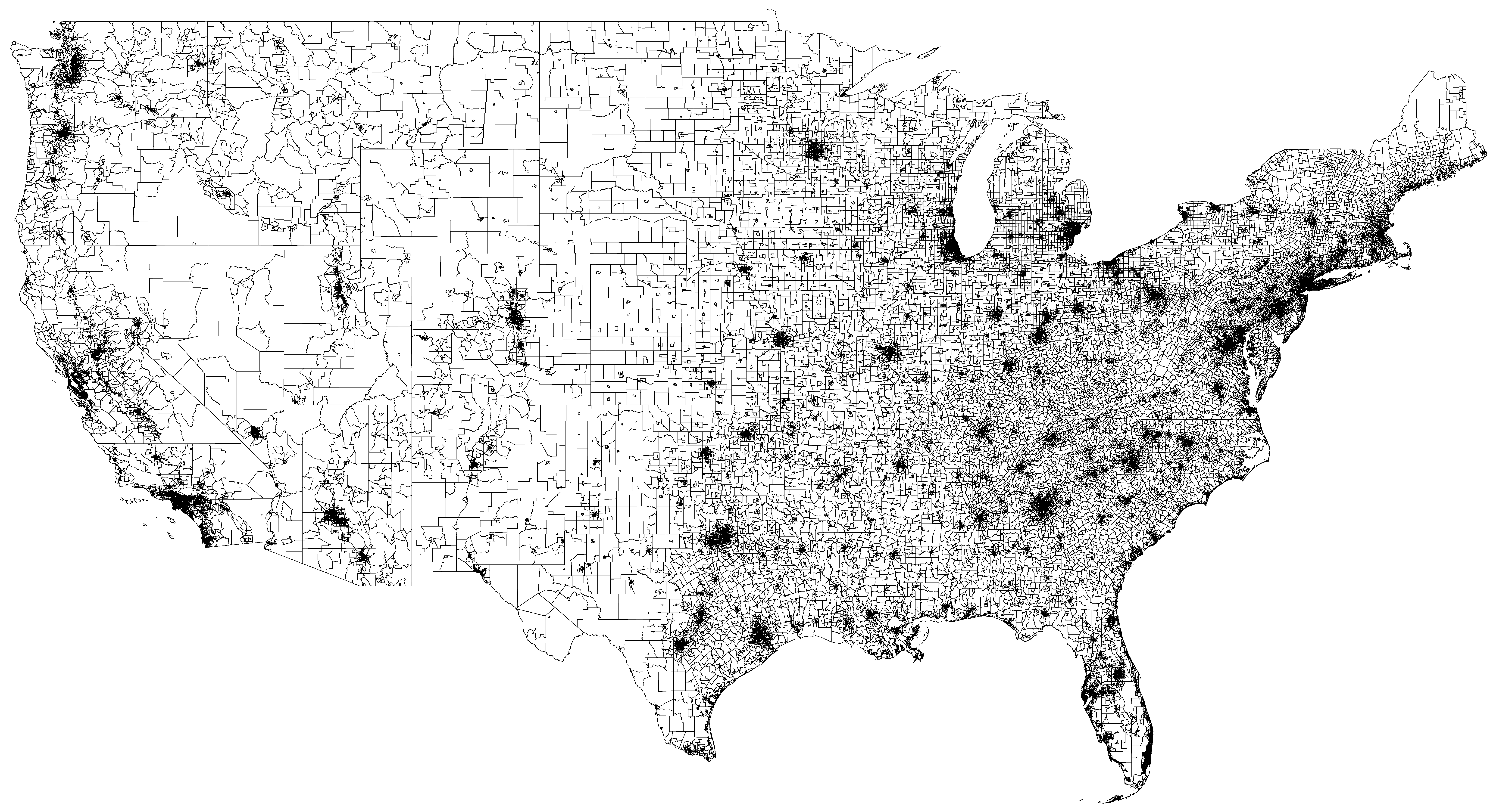
Extreme heat exposure is a growing public health threat. Heat-health research has commonly used dry-bulb temperature to characterize heat exposure, partly due to limited availability of spatially explicit, public-health-aligned datasets that integrate multiple meteorological factors to quantify heat stress. We address this gap by providing hourly Heat Index (HI), Wet-Bulb Globe Temperature (WBGT), and Universal Thermal Climate Index (UTCI) for U.S. census tract boundaries across the contiguous United States from 1998–2020. Heat-stress fields were generated by integrating PRISM, ERA5-Land, and National Solar Radiation Database (NSRDB) products, with near-surface temperature and moisture fields reconstructed and ancillary variables interpolated to a harmonized 800-m grid. Heat-stress indices were computed using validated physical models and aggregated to census tracts using area- and population-weighted methods. Validation against station networks shows stable performance for sample year 2010 May–September, with air-temperature root mean squared error (RMSE) of 1.70 °C, Heat Index RMSE of 3.20 °C, WBGT RMSE of 2.90 °C, and UTCI RMSE of 3.26 °C. These tract-level hourly heat-stress datasets enable direct linkage with public health data.
Read the Paper